|
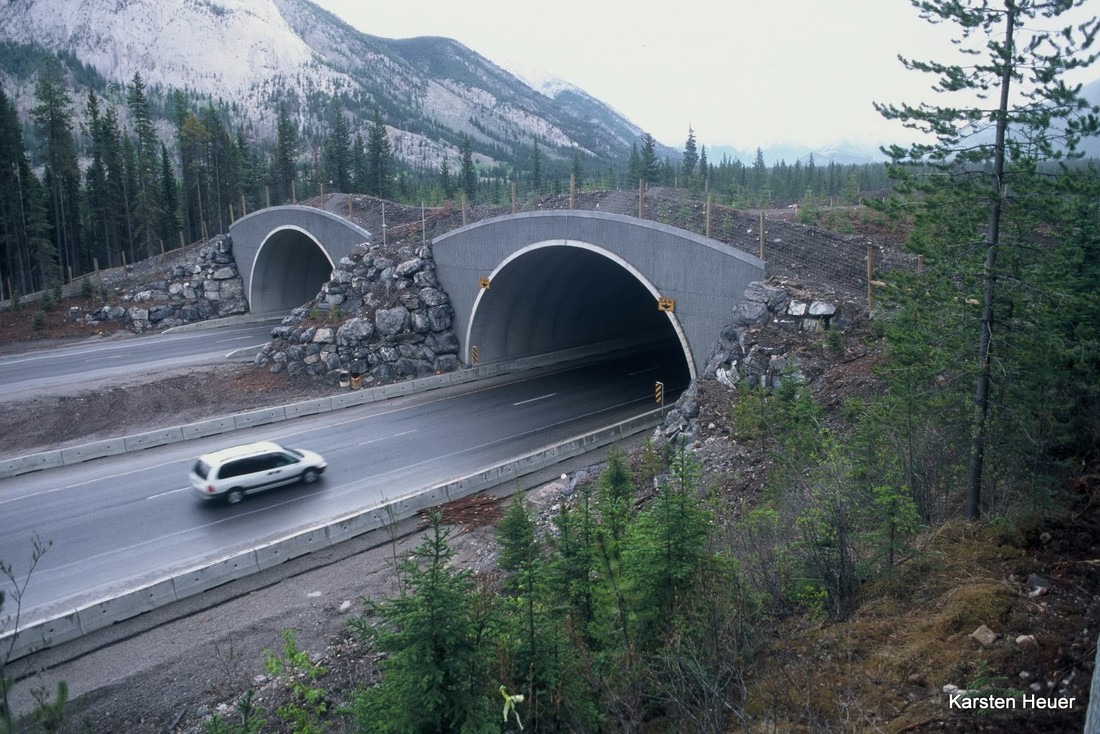
One of the best parts of my job at Yellowstone to Yukon Conservation Initiative is working with undergraduate and graduate students, postdoctoral fellows, and other early-career researchers. This summer, Elvis Acheampong joined me in our Canmore office for his summer internship. Elvis is a Master's student at Yale University's School of Forestry and Environmental Studies, where he is studying Environmental Management. He wrote a blog post about his some of his experiences while living in Canmore and interning with Y2Y, including reflections on seeing bears, wildlife crossing structures, practical conservation work, and outdoor recreation here in the Bow Valley. Elvis has now returned to finish his studies at Yale. It was great to have him work with Y2Y! Update: Elvis also wrote about Y2Y research for the Yale Environmental Review: 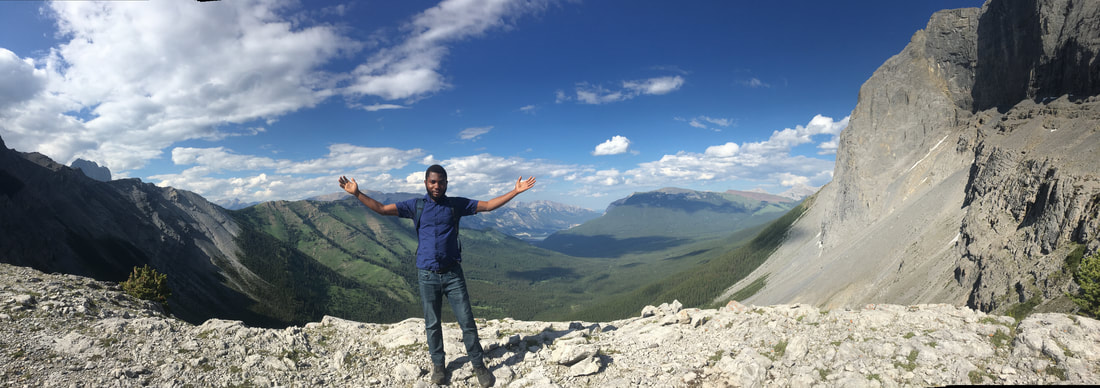 Hiking in Kananaskis Country near Canmore. Photo by Aerin Jacob. I talked to Sarah Boon, freelance writer for Nature, about why working on research with Yellowstone to Yukon Conservation Initiative is my dream job. Our conversation ranged widely, including the similarities and differences between research at an NGO and in academia, how I got the job (fabulous colleagues sent it to me and encouraged me to apply), and the kind of activities involved. It was fun for me to reflect on the first six months into my new job. https://www.nature.com/nature/journal/v550/n7676/full/nj7676-421a.html Some of the things that didn't go into the final version include the importance of teamwork (my colleagues at Y2Y are fantastic), collaboration and sharing, and why practical conservation takes more than publishing research papers. Sarah later wrote a blog post about the interview and writing process. It was interesting for me to see her perspective, including the role of editors and why interviewees have to try hard - really hard! - to be specific in our answers and give examples. "Show, don't tell." Great opportunity to reflect on my own science communication. Follow Sarah on Twitter and her blog. 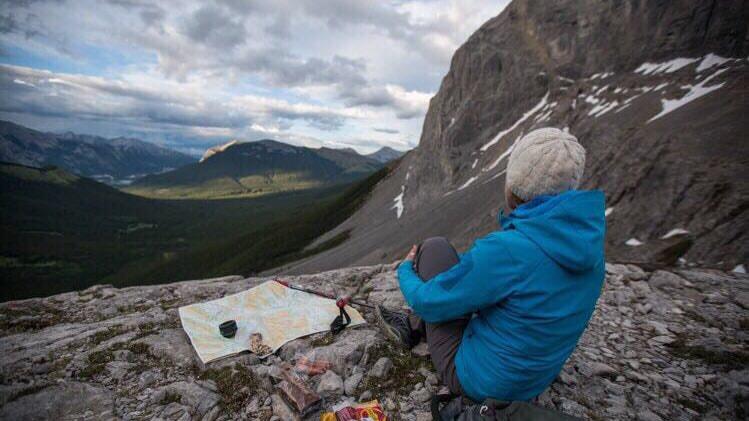 After work hike to West Wind Pass, near Canmore. Photo by Ross Donihue. I am thrilled to announce that I have begun a new position as Conservation Scientist with the Yellowstone to Yukon Conservation Initiative (Y2Y). I will be based in Canmore, Alberta, with applied research throughout the Y2Y region. My two years as a Postdoctoral Fellow at the University of Victoria in Victoria, British Columbia have been terrific. I was fortunate to work with talented researchers and conservationists in the Marine Ethnoecology Lab (Natalie Ban & team) and Applied Conservation Science Lab (Chris Darimont & team), and their partners in the Great Bear Rainforest and Sea. They generously shared their knowledge, skills, and time with me – these experiences and collaborations will be invaluable on my path ahead. I will miss them all dearly. 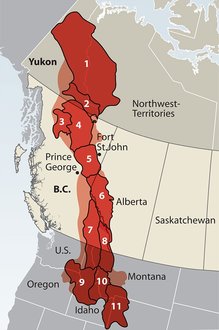 Big wild places and wildlife have always been close to my heart. Stretching over 3200 km, the Yellowstone to Yukon region is one of the most intact mountain ecosystems in the world. For nearly 25 years, Y2Y has been a global leader in large-landscape conservation, working with diverse partners to connect and protect wild lands, waters, and biodiversity over 1.3 million sqkm. Critical to its success are commitments to collaboration and evidence-based work, values I care about deeply. As Y2Y’s Conservation Scientist (and for the first year continuing my Liber Ero Fellowship), I will design, conduct, and communicate applied research to inform key issues across the Yellowstone to Yukon region. This includes strengthening existing partnerships – and forging new ones! – with academic, conservation, media, industry, and governance communities. Y2Y has a bold mission: To connect and protect habitat from Yellowstone to Yukon so that people and nature can thrive. I am excited to engage with partners to achieve it. More about Y2Y:
|
AuthorConservation scientist at the Yellowstone to Yukon Conservation Initiative (Y2Y). Likes trees, mountains, chocolate, and looking under rocks. Feminist. Archives
March 2020
Categories
All
|

 RSS Feed
