|
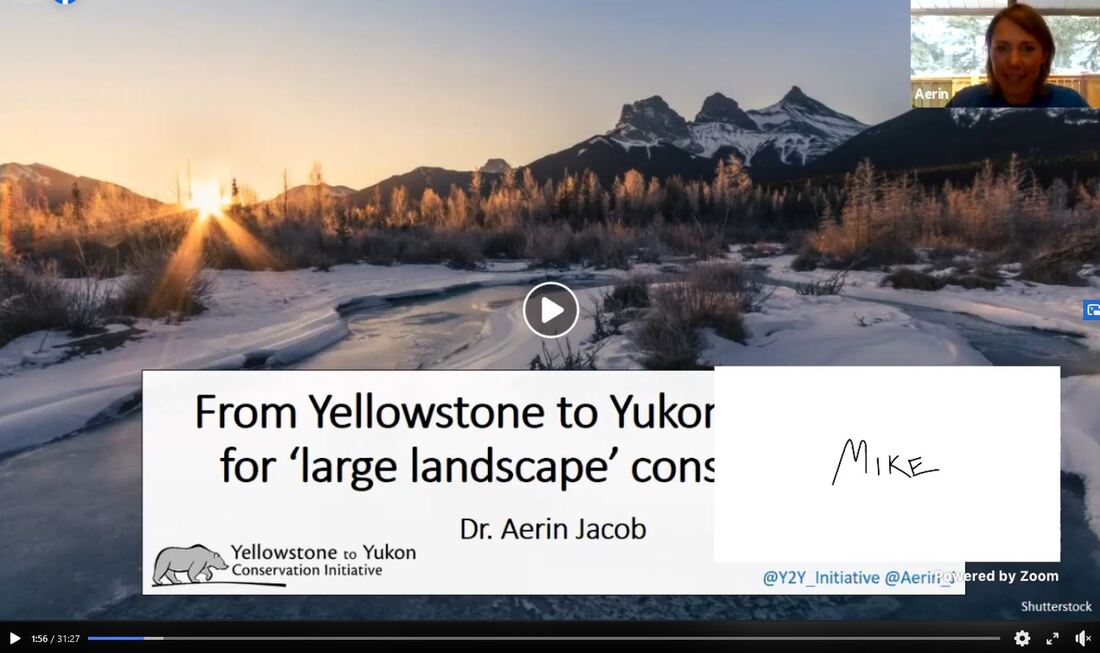
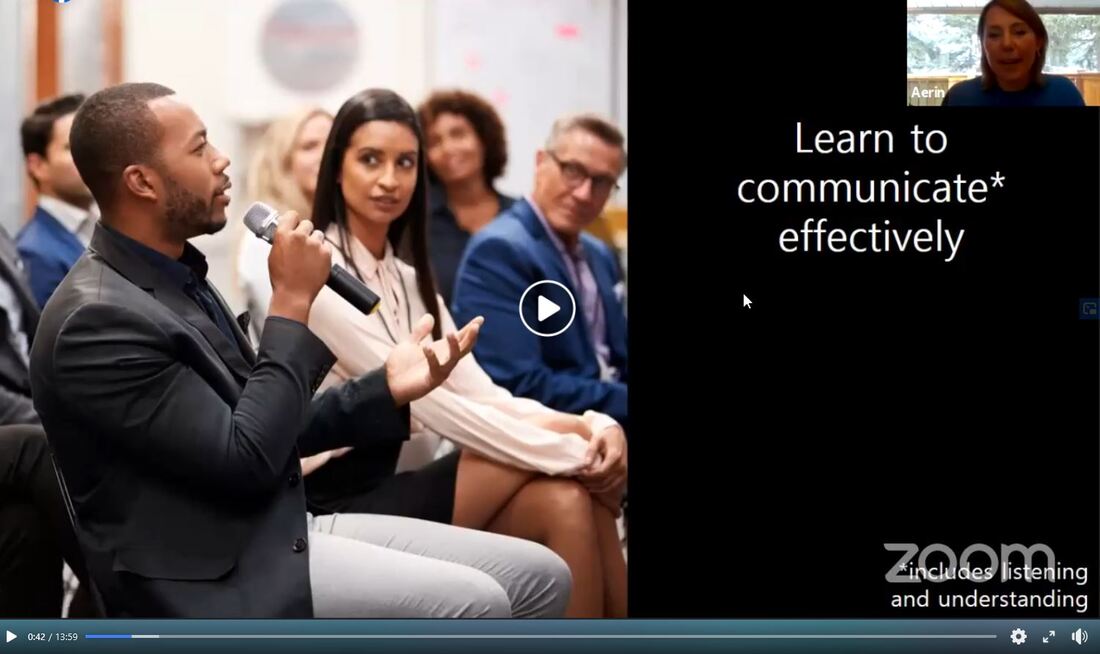
I love sharing the work that Yellowstone to Yukon Conservation Initiative and our >450 partners do across the massive Y2Y region. Discussing research and conservation at universities, government agencies, and in public venues is fun and a great way to get feedback. But giving talks often involves travel by air or vehicle, which means greenhouse gas emissions... That's why I was so pleased to join York University's Interdisciplinary Conservation in Canada seminar series, held entirely online in Winter 2020. Links to my talk are below, and please check out the other speakers -- from birds and caribou to plants and climate change. . We had technical challenges - like the white box in Part 1 that says MIKE - so bear with me.
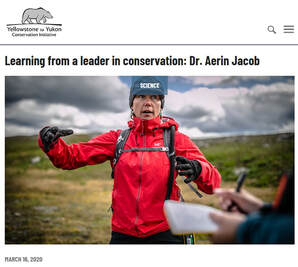 I talk to a lot of people who want to work in conservation-related science, practice, or policy. These careers can be so exciting, intellectually challenging, and deeply fulfilling. But it can also be difficult to know where to start or how to integrate various interests, skills, and experiences in these jobs. This blog post explains a bit about my career path to becoming the Conservation Scientist at Y2Y. I talked about it during an interview with the Best of the WWEST podcast, too. The best way to find out about conservation-related job opportunities in the Y2Y region (and beyond) is to sign up for our weekly newsletter or keep an eye on the job board. Good luck!
A new Instagram campaign highlights 20 women across Canada who work in science, technology, engineering, and math (STEM). #MySTEMJob series aims to inspire a new generation of girls to consider these careers. I was stoked to talk about conservation biology and Y2Y. The films were developed through a partnership of Ingenium, Canada’s Museums of Science and Innovation, the National Film Board of Canada, Fisheries and Oceans Canada, and the Canadian Museum of Nature, They were filmed by the fabulous duo at Mirror Image Media -- highly recommend working with them! They're fun, energetic, professional, and made me feel at ease. Watch all 20 films here (1 minute each). Meet a CEO, genomics specialist, astrophysicist, futurist, ecologist, mineralogist, cannabis researcher, paleontologist, disaster researcher, and more.
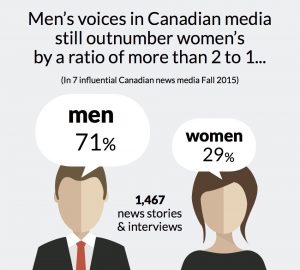
Informed Opinions Expert Women database (Canada)People listed in the Expert Women database are available for inquiries from journalists, producers, conference planners, recruiters, & research collaborators. Includes many disciplines (not just STEM) and sectors. Sign up here. Informed Opinions also a lot of resources. 500 Women Scientists (international)Request a Woman Scientist platform connects an extensive multidisciplinary network of vetted women in science with anyone who needs to consult a scientist for a news story, invite a keynote speaker or panelist for a conference or workshop, find a woman scientist to collaborate on a project, or serve as a subject matter expert in any capacity. Easy filters (location, discipline, under-represented minority, etc) and has thousands of experts listed. Sign up here. 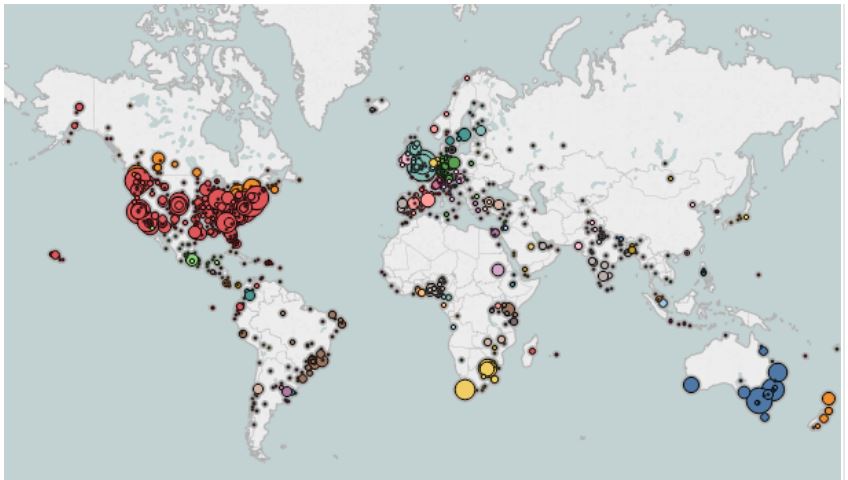 500 Queer ScientistsUse the 500 Queer Scientists database to find experts who are LGBTQ+. Diverse Sources (science, health, environment)Search the Diverse Sources database to include more underrepresented voices and perspectives in your science, health and environment work on deadline. Includes multiple languages - currently has ~450 experts around the world. Doesn't have great search features (e.g., no way to filter by location, expertise, etc.). Sign up here. Diversify EEB (ecology and evolutionary biology)Diversify EEB database highlights PhD-holding ecologists and evolutionary biologists who are women &/or underrepresented minorities. Sign up at the same link. Also see Diversify EEB Grads (for graduate students). Women's Media Centre 'She Source' (multi-disciplinary)She Source is an online database of media-experienced women experts who can be connected to journalists, bookers and producers. Searchable database, including highlighting experts according to timely subjects currently in the news. Apply to be included in the database. Women Also Know Stuff (political science)The Women Also Know Stuff searchable database helps academics and journalists identify and connect with women academics conducting research on a multitude of issues related to the study of politics. Currently has >1700 entries.
A few years ago I was looking for a list of scientific journals that published commentary pieces (e.g., letters to the editor, essays, more policy-oriented pieces) for what would become Fox et al. 2015. I couldn't find a comprehensive list, so I started one. It's largely focused on conservation, ecology, environmental management, and sustainability science. Some articles are peer-reviewed while others aren't. I'll update it once in a while. Please comment with a link (or email/DM me) if you know of other venues and article types.
Also, here's info about open-access fees in ecology, evolution, & conservation journals (not sure who made it).
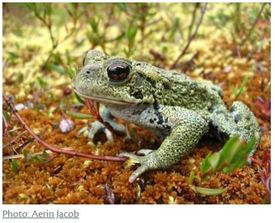
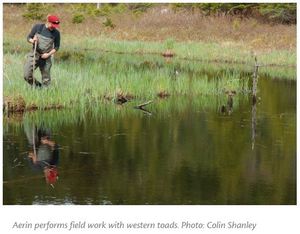
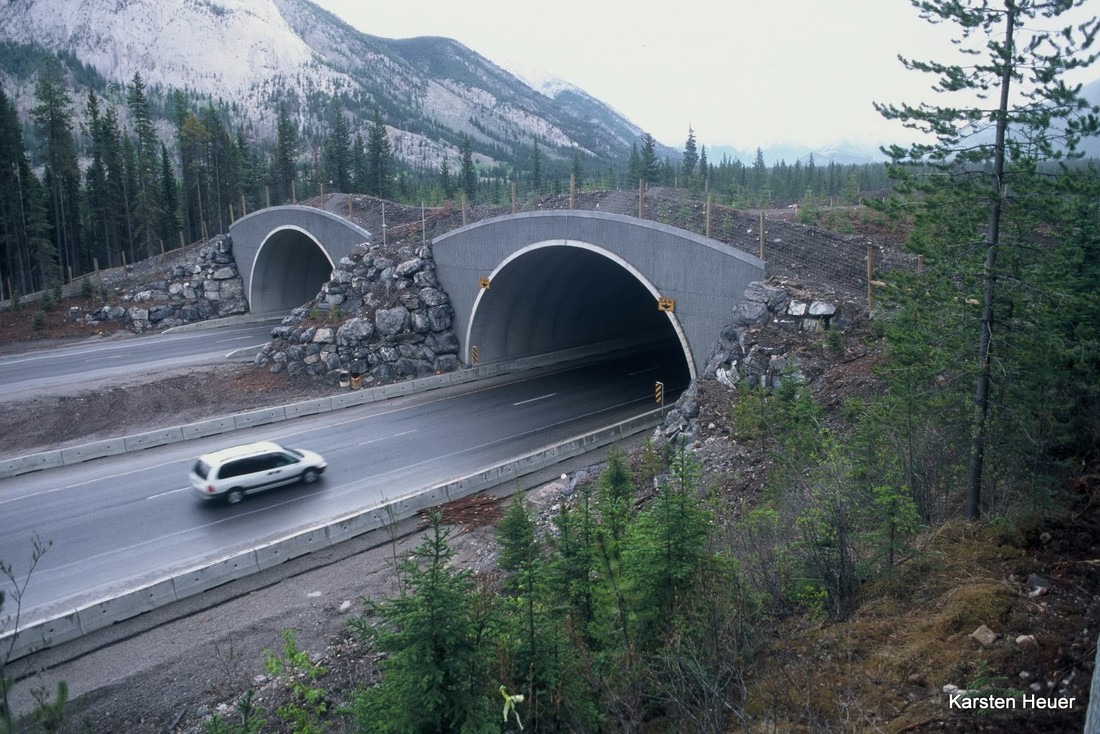
One of the best parts of my job at Yellowstone to Yukon Conservation Initiative is working with undergraduate and graduate students, postdoctoral fellows, and other early-career researchers. This summer, Elvis Acheampong joined me in our Canmore office for his summer internship. Elvis is a Master's student at Yale University's School of Forestry and Environmental Studies, where he is studying Environmental Management. He wrote a blog post about his some of his experiences while living in Canmore and interning with Y2Y, including reflections on seeing bears, wildlife crossing structures, practical conservation work, and outdoor recreation here in the Bow Valley. Elvis has now returned to finish his studies at Yale. It was great to have him work with Y2Y! Update: Elvis also wrote about Y2Y research for the Yale Environmental Review: 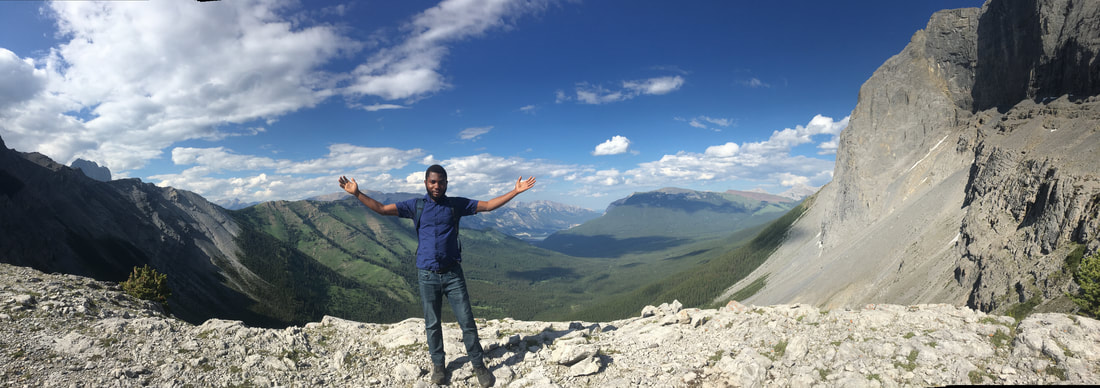 Hiking in Kananaskis Country near Canmore. Photo by Aerin Jacob. It's no secret that my favourite animal is the western toad. Here's an article in a recent Y2Y newsletter where I describe why western toads are a fantastic species that represent so much of what the Yellowstone to Yukon Conservation Initiative works towards. https://y2y.net/news/updates-from-the-field/species-to-know-about-western-toads Sign up for Y2Y newsletters here (Connections is biannual, Conservation News is weekly).
I talked to Sarah Boon, freelance writer for Nature, about why working on research with Yellowstone to Yukon Conservation Initiative is my dream job. Our conversation ranged widely, including the similarities and differences between research at an NGO and in academia, how I got the job (fabulous colleagues sent it to me and encouraged me to apply), and the kind of activities involved. It was fun for me to reflect on the first six months into my new job. https://www.nature.com/nature/journal/v550/n7676/full/nj7676-421a.html Some of the things that didn't go into the final version include the importance of teamwork (my colleagues at Y2Y are fantastic), collaboration and sharing, and why practical conservation takes more than publishing research papers. Sarah later wrote a blog post about the interview and writing process. It was interesting for me to see her perspective, including the role of editors and why interviewees have to try hard - really hard! - to be specific in our answers and give examples. "Show, don't tell." Great opportunity to reflect on my own science communication. Follow Sarah on Twitter and her blog. 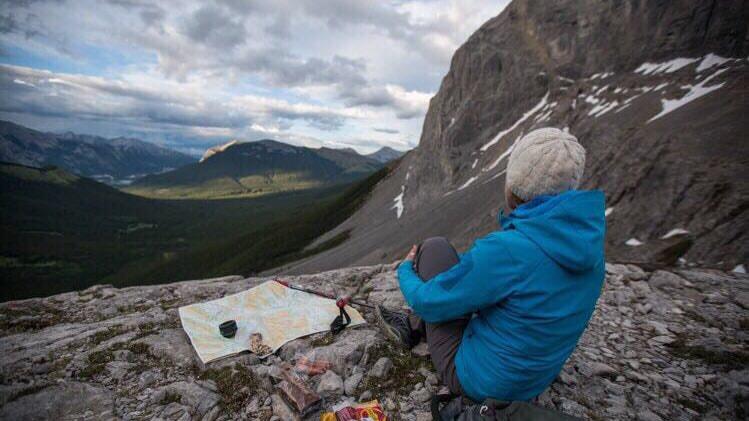 After work hike to West Wind Pass, near Canmore. Photo by Ross Donihue. This summer, Yale University Master's student Ross Donihue will be joining me at Y2Y for a Conservation Science Internship. Ross studies in the School of Forestry and Environmental Studies and has a strong background in data visualization, professional photography, and mapping, especially through the organization he co-founded called Maps For Good. His primary project will be to map practical actions and strategies to improve human-wildlife coexistence, and to reduce conflict, in the Yellowstone-to-Yukon region. As well, I know we'll be grateful to have his photography skills and keen eye for design. Update 1: Ross wrote blog posts in June 2017 and December 2017. And took a ton of photographs and videos that we're using, especially for the Alberta Program and about road safety.
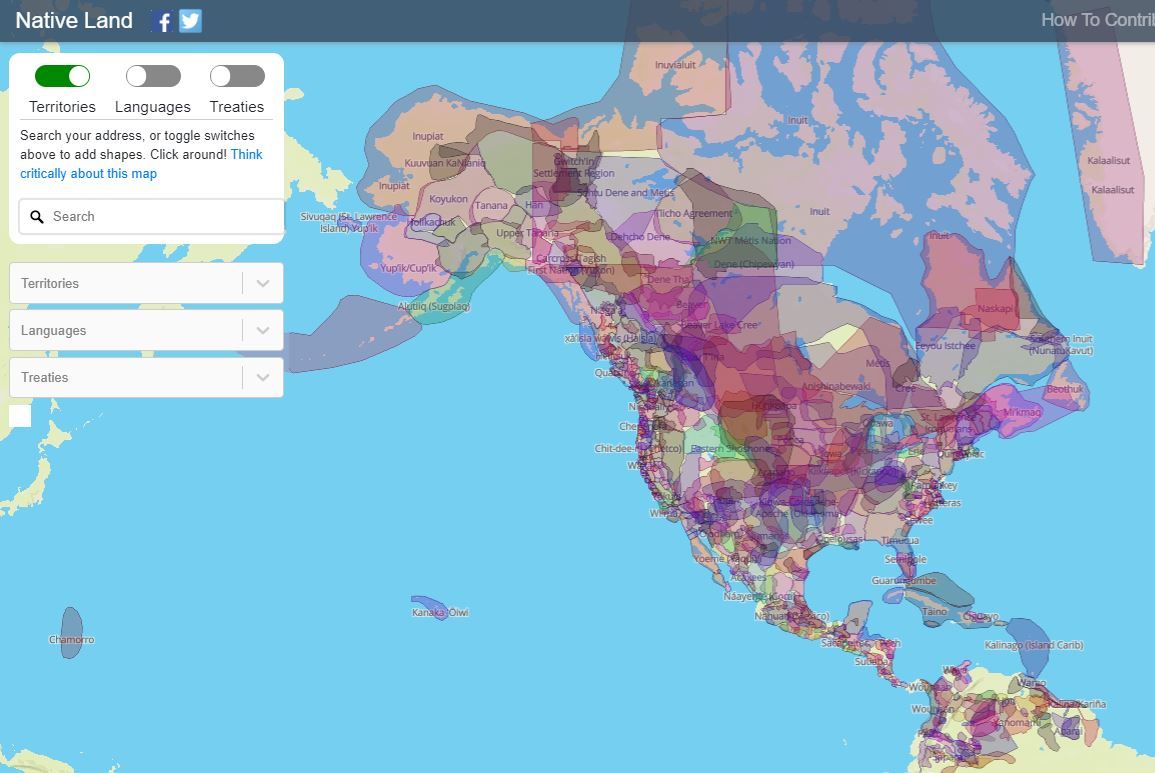
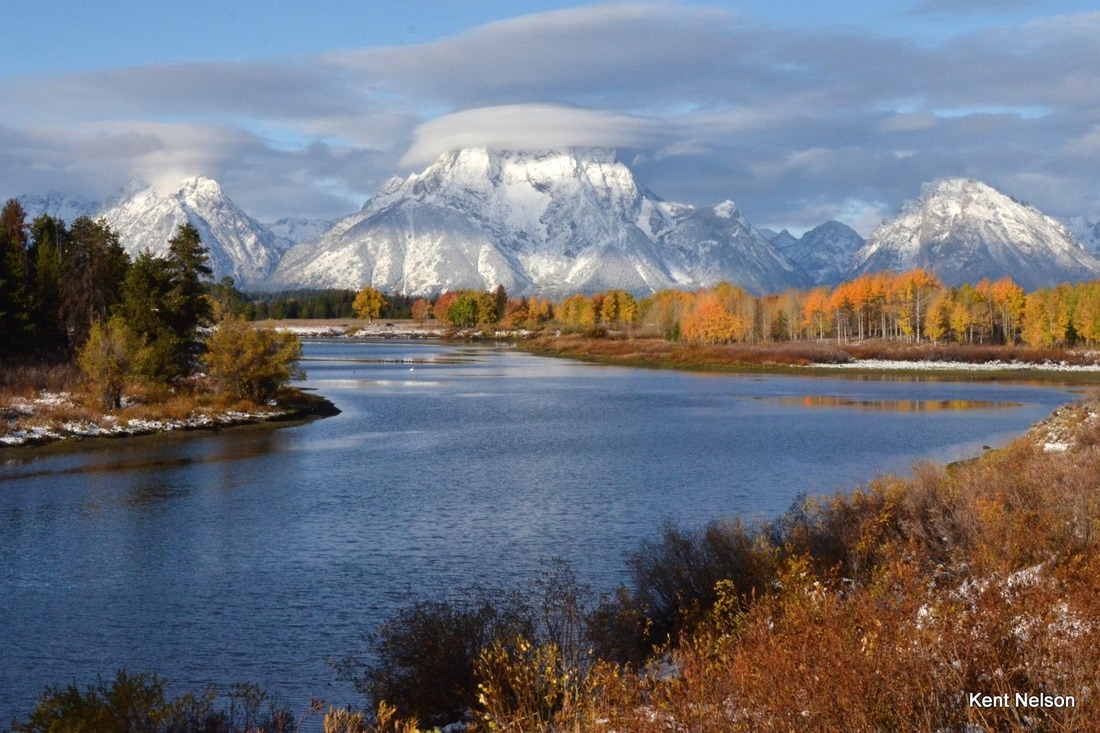
I am thrilled to announce that I have begun a new position as Conservation Scientist with the Yellowstone to Yukon Conservation Initiative (Y2Y). I will be based in Canmore, Alberta, with applied research throughout the Y2Y region. My two years as a Postdoctoral Fellow at the University of Victoria in Victoria, British Columbia have been terrific. I was fortunate to work with talented researchers and conservationists in the Marine Ethnoecology Lab (Natalie Ban & team) and Applied Conservation Science Lab (Chris Darimont & team), and their partners in the Great Bear Rainforest and Sea. They generously shared their knowledge, skills, and time with me – these experiences and collaborations will be invaluable on my path ahead. I will miss them all dearly. 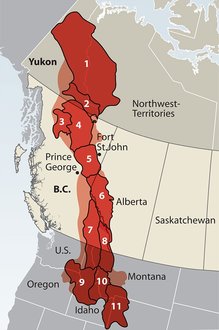 Big wild places and wildlife have always been close to my heart. Stretching over 3200 km, the Yellowstone to Yukon region is one of the most intact mountain ecosystems in the world. For nearly 25 years, Y2Y has been a global leader in large-landscape conservation, working with diverse partners to connect and protect wild lands, waters, and biodiversity over 1.3 million sqkm. Critical to its success are commitments to collaboration and evidence-based work, values I care about deeply. As Y2Y’s Conservation Scientist (and for the first year continuing my Liber Ero Fellowship), I will design, conduct, and communicate applied research to inform key issues across the Yellowstone to Yukon region. This includes strengthening existing partnerships – and forging new ones! – with academic, conservation, media, industry, and governance communities. Y2Y has a bold mission: To connect and protect habitat from Yellowstone to Yukon so that people and nature can thrive. I am excited to engage with partners to achieve it. More about Y2Y:
|
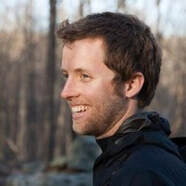
AuthorConservation scientist at the Yellowstone to Yukon Conservation Initiative (Y2Y). Likes trees, mountains, chocolate, and looking under rocks. Feminist. Archives
March 2020
Categories
All
|




 RSS Feed
